New! Welcome to our new site! Notice any issues or have a suggestion? Let NOCA Know!

The Arts at NOCA

Formed in body and spirit.

At NOCA, music, theatre, and visual art are not electives. They are part of the education. A school that takes the whole person seriously takes the ear, the hand, and the voice seriously — and a child who has sung a psalm, drawn a vase from observation, or stood on stage in front of a full house is a different kind of student by the time they open their book.

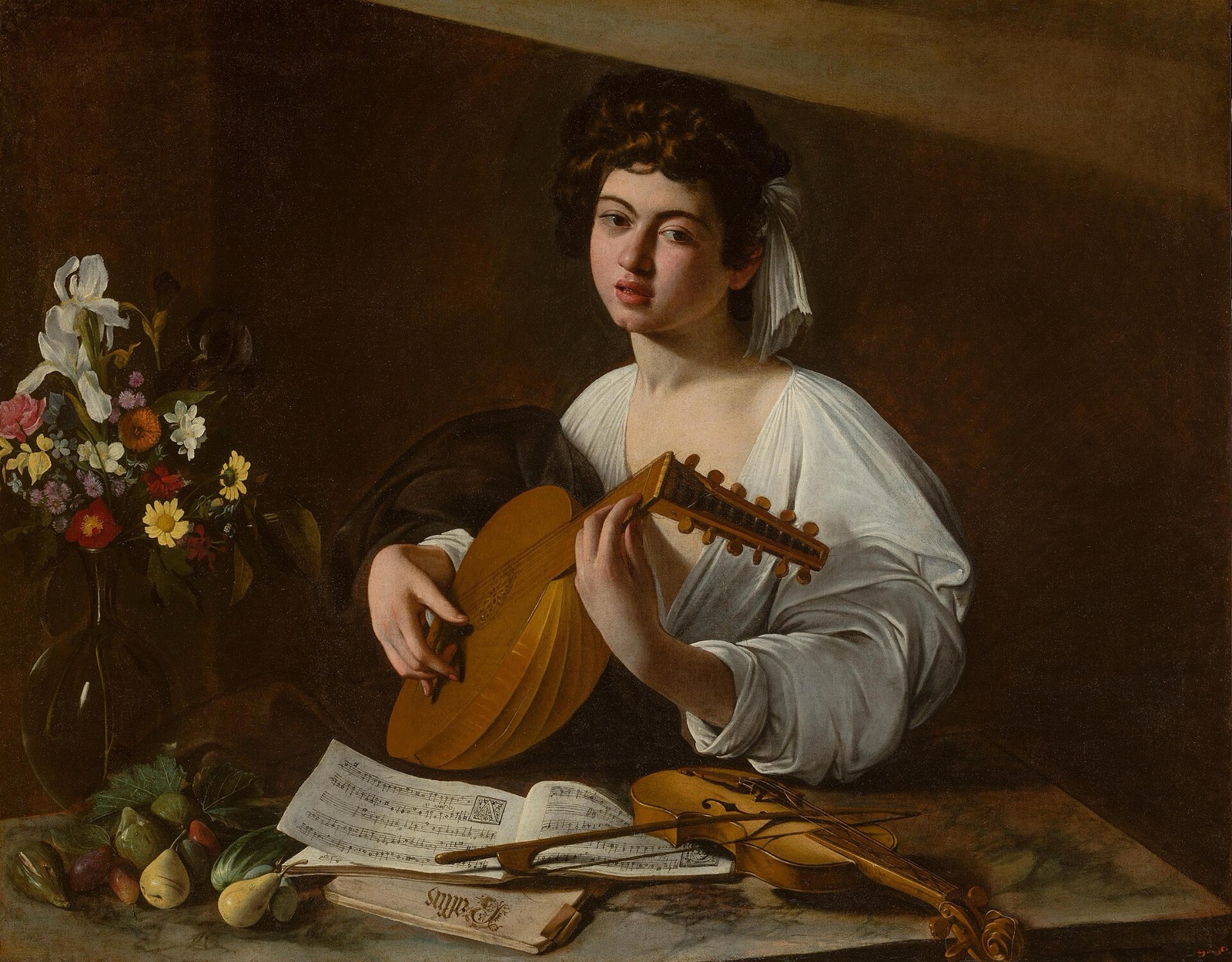
The Lute Player, Caravaggio, c.1596 — a young musician plays a lute, sheet music and a violin on the table, a vase of flowers beside him.
The Lute Player Caravaggio · c. 1596 · The Hermitage

Why this matters

The ear and the eye are part of the mind.

A classical education assumes a truth that modern schools sometimes forget: a child is not a brain in a jar. They are a body and a voice and a pair of eyes, and the way you teach them to hear a phrase of music, hold a pencil, or stand still on a stage will shape the way they later read a line of Homer or argue a point in class.

The liberal arts began with music — the root of the word musae is where we get "museum." To be educated is to be someone on whom the beautiful does not go unnoticed.

What we offer

Four programs, K through 12.

K–6 · every week

General Music.

Every Lower School student sings — real songs, real pitch, real notation. Your kindergartener learns to clap a rhythm. Your fifth-grader reads a line of music before they read the next chapter of their novel. The ear is a muscle; we train it early.

7–12 · every year

Choir & Band.

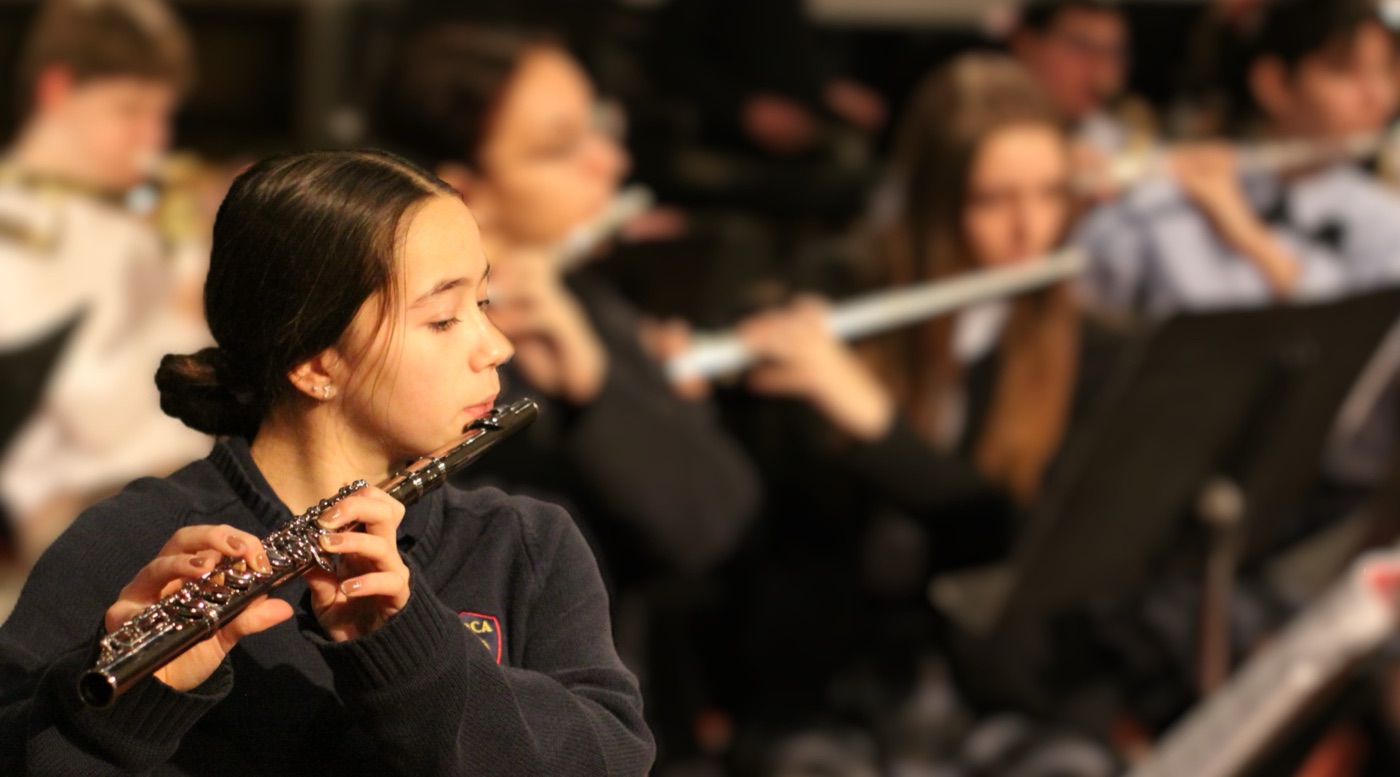
Upper School students join choir or band and perform twice a year. Repertoire leans classical and sacred — Haydn, Handel, Vaughan Williams — alongside American folk, spirituals, and the occasional Sousa march. Students learn the discipline of an ensemble: listen, then play.

Twice a year

Theatre.

NOCA produces two full theatrical productions a year — a fall straight play and a spring musical. Students audition, rehearse after school, build sets with their own hands, and step onto a stage in front of their families.

K–12 · studio and seminar

Visual Art.

Drawing from observation. The grammar of line, shape, and value. A careful look at the history of Western art — from cave paintings through the Hudson River School. Lower School art is weekly; Upper School art is elective studio with a portfolio expectation.
Hear it for yourself

Time a visit with a rehearsal.

Fall and spring productions are open to the public. Choir and band concerts happen twice a year and are free. If you want to hear what we sound like before you apply, tell us on your tour — we'll tell you what's on the calendar this week.